Design assistant tool / 设计辅助工具
Laytex
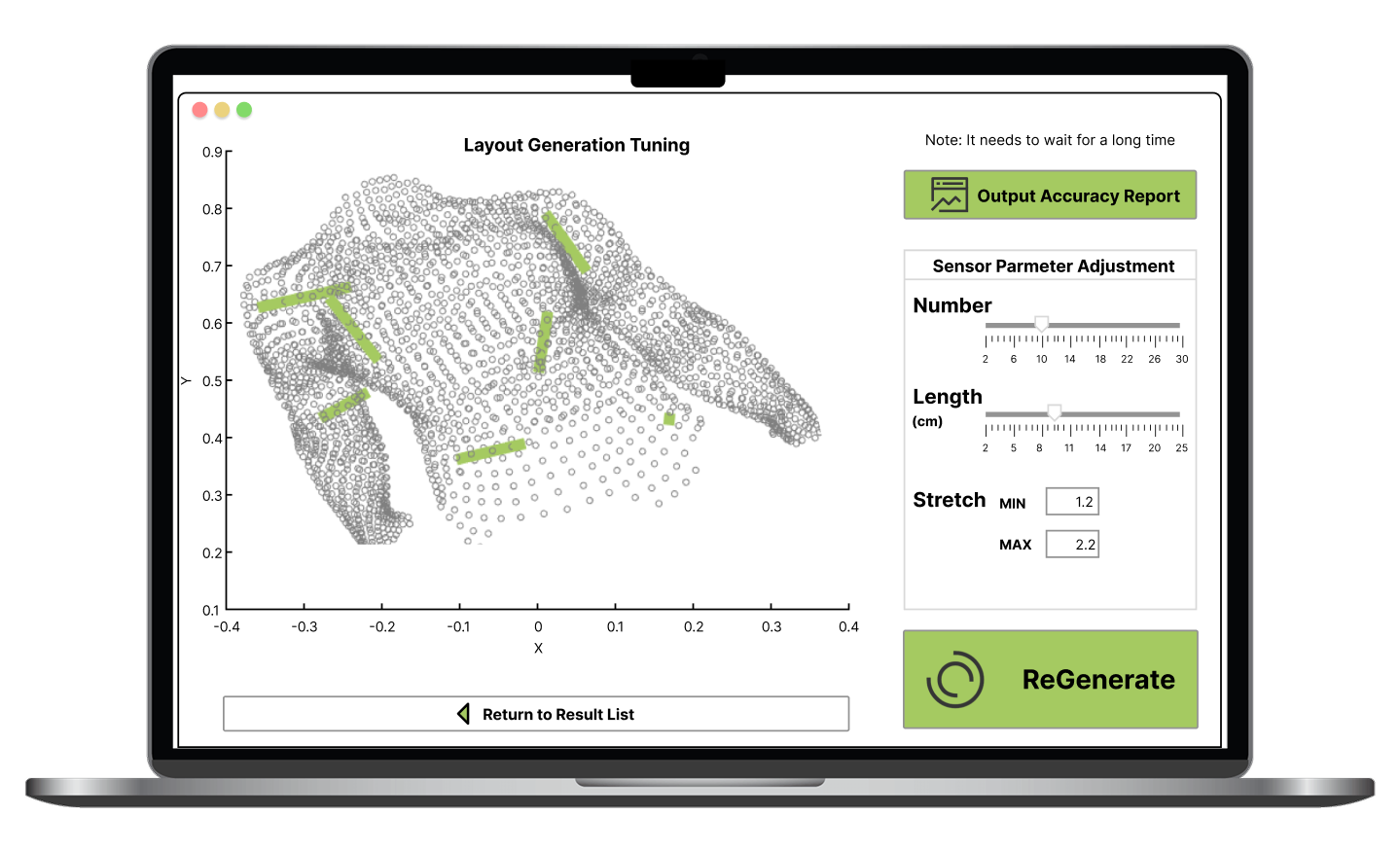
Textile sensor layouts are often created through repeated garment prototyping and individual experience, which makes it difficult to compare layouts systematically or adapt them to different bodies and movements. Laytex asks how body-surface deformation data can become a practical design language for textile motion-sensing garments. It connects body shape, target movement, deformation features, sensor number, and sensor length in one visual workflow, so designers can identify deformation hotspots, compare coverage and redundancy, and translate a selected layout into a garment prototype.
织物传感器布局通常依赖反复打样和个人经验,难以系统比较不同方案,也不易适配不同体型和动作。Laytex 关注如何将人体表面形变数据转化为面向织物运动感知服装的实用设计语言:将体型、目标动作、形变特征、传感器数量和长度整合到一个可视化工作流中,使设计者能够识别形变热点、比较覆盖度与冗余度,并将选定布局转化为服装原型。
Keywords / 关键词
- Smart textiles智能织物
- Computational design计算设计
- Motion capture运动捕捉
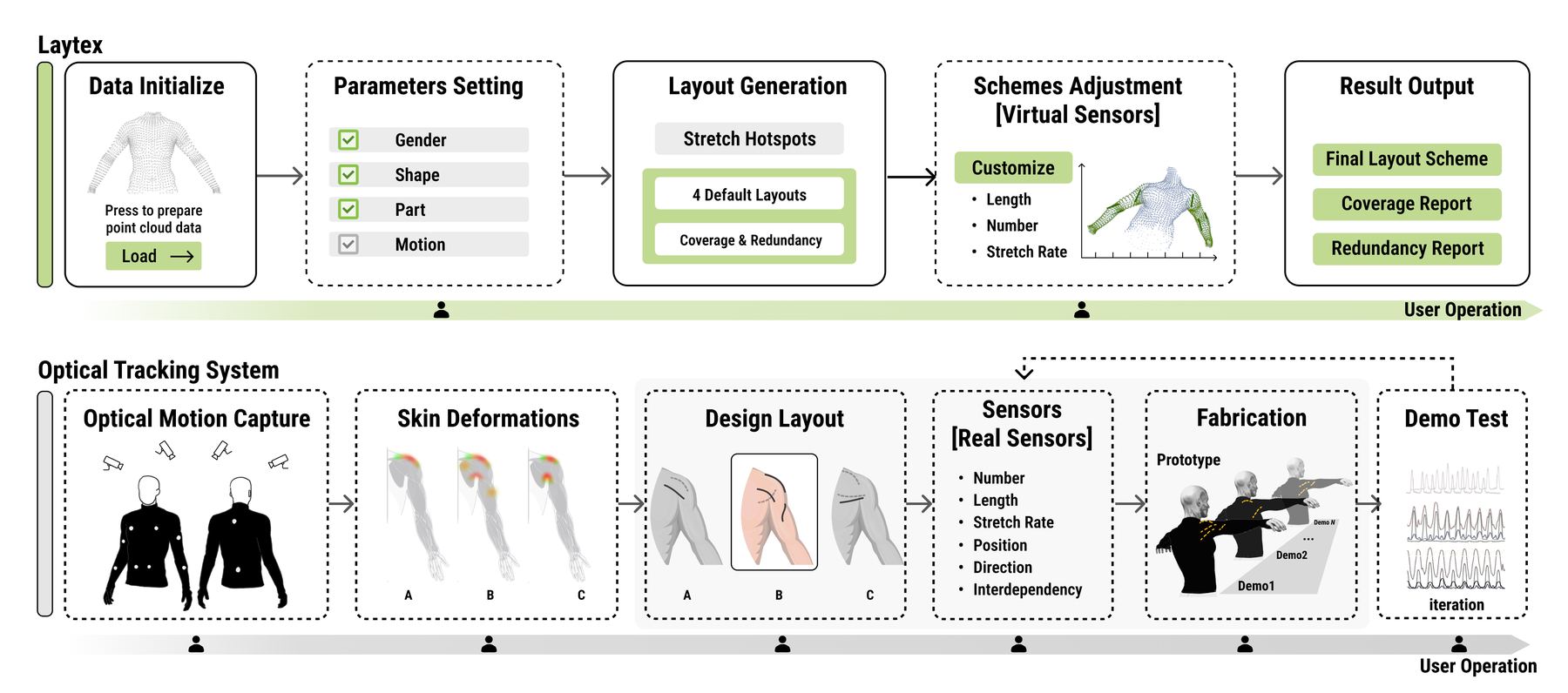
System workflow
系统设计工作流
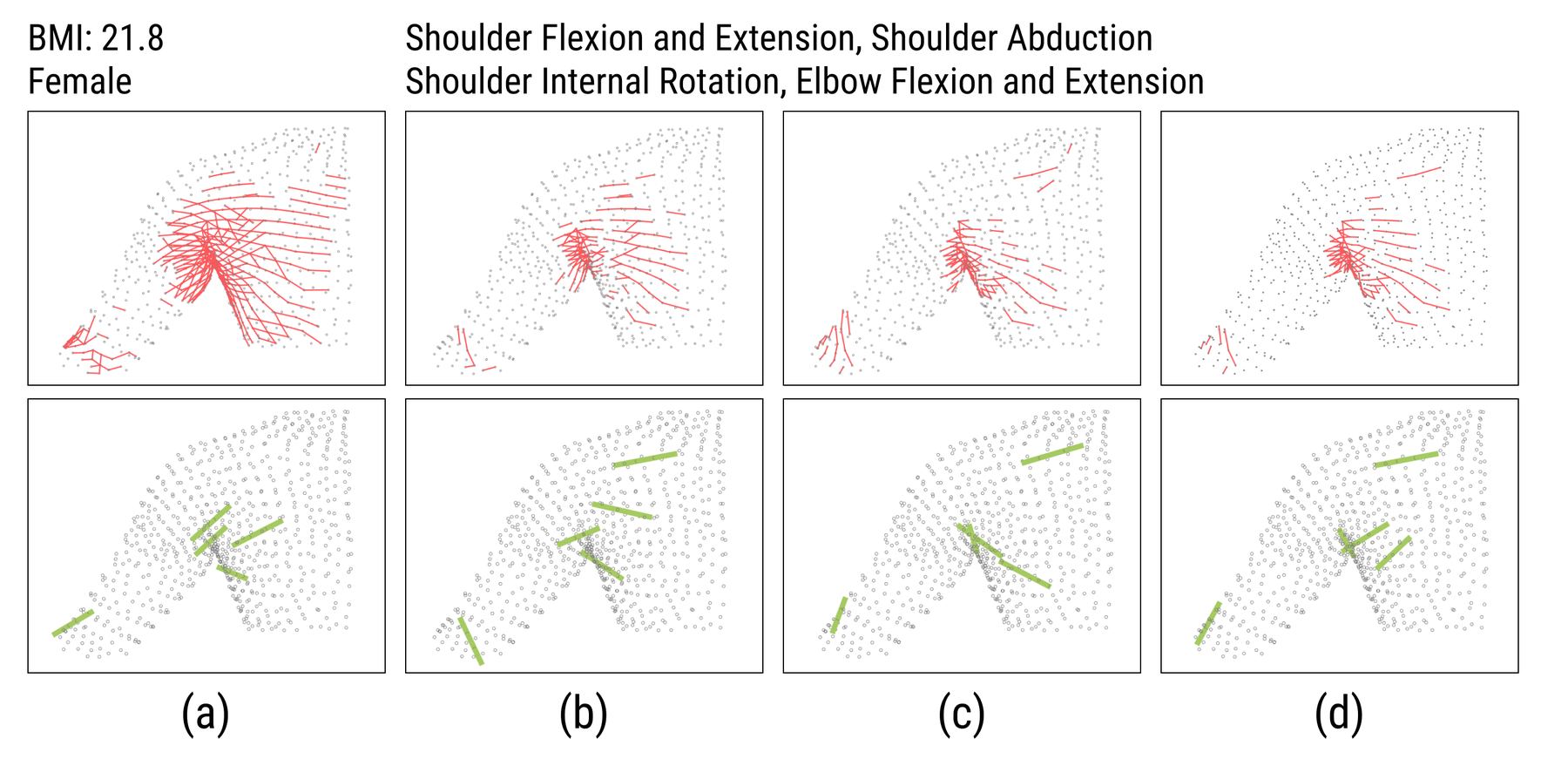
Deformation hotspots
形变热点分析
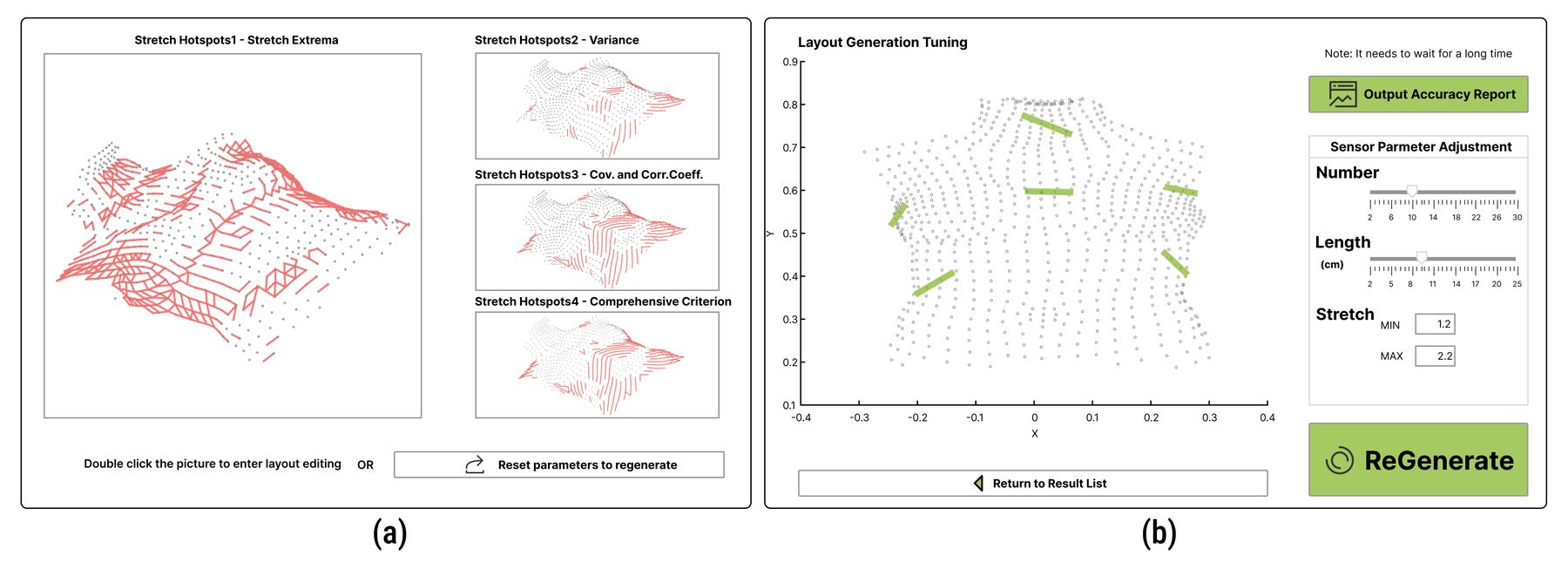
Core functionality
核心功能界面
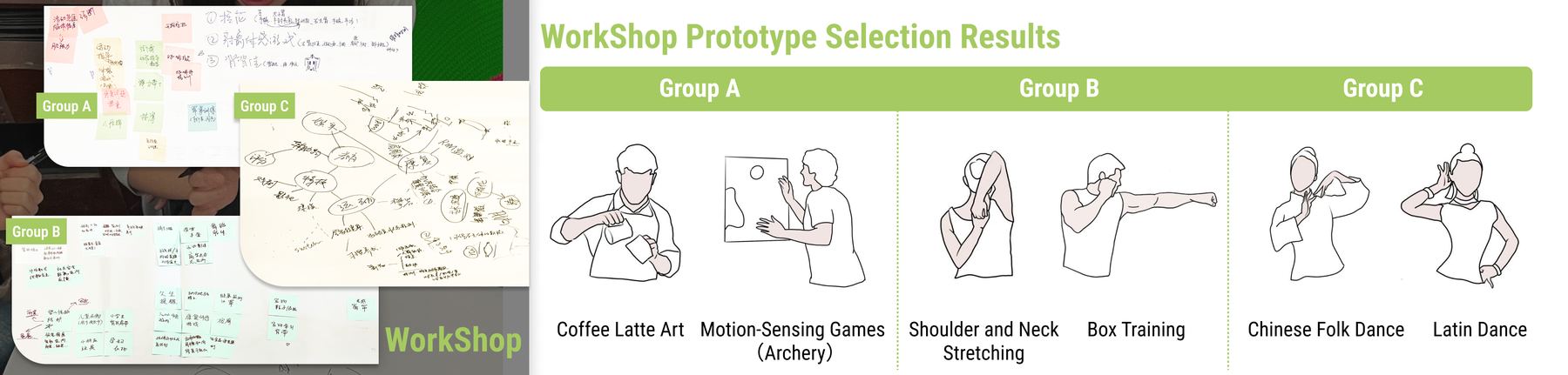
Workshop outcomes
工作坊成果